

Destination overview
About Azerbaijan
Azerbaijan, officially the Republic of Azerbaijan, is located in the South Caucasus at the crossroads of Eastern Europe and Western Asia, making it a natural bridge between cultures, trade routes, and tourism markets.
Top 10 Reasons to Explore Azerbaijan↓General Information
Azerbaijan, officially the Republic of Azerbaijan, is located in the South Caucasus at the crossroads of Eastern Europe and Western Asia, making it a natural bridge between cultures, trade routes, and tourism markets. It is the largest country in the South Caucasus in terms of both territory and population, bordered by the Caspian Sea to the east, Russia to the north, Georgia and Armenia to the west, Iran to the south, and Türkiye via the Nakhchivan Autonomous Republic.
Azerbaijan joined the Council of Europe in 2001. Baku hosted the Eurovision Song Contest in 2012, following Azerbaijan’s victory in 2011.
Over the past decade, Azerbaijan has positioned itself as a strategic tourism and MICE destination, investing heavily in infrastructure, hospitality, air connectivity, and global visibility.
Azerbaijan has significantly increased its international profile by hosting and organizing world-class events, making it particularly attractive for B2B tourism partners, incentive travel planners, and corporate groups.
Baku hosted its first Formula 1 race in 2016, followed by the inaugural Azerbaijan Grand Prix in 2017. The city also hosted the COP29 UN Climate Change Conference in 2024 and the thirteenth World Urban Forum (WUF13) from 17 to 22 May 2026. These events highlight Azerbaijan’s experience in welcoming international visitors and business groups.
In addition, Baku regularly hosts major sporting, cultural, and political summits, supported by modern congress centers, exhibition halls, and purpose-built event venues that meet international standards.
During major events, hotel availability, minimum stays and local transport arrangements may change. Early planning and close coordination with our team help travel partners prepare their programmes.
Hospitality
Hospitality is deeply rooted in Azerbaijani culture, where guests are traditionally treated with the highest respect, a philosophy reflected both in private homes and in the country’s professional tourism services. A well-known proverb from the epic Dede-Gorgud Dastani states that “the houses that no longer welcome guests should collapse,” highlighting the cultural importance of welcoming visitors.
Today, Azerbaijan offers a diverse accommodation portfolio ranging from international luxury brands and business hotels to boutique, lifestyle, and mid-range properties. The majority of hotel capacity is concentrated in Baku, with steadily growing developments in Gabala, Sheki, Ganja, and along the Caspian coast, allowing flexible solutions for FITs, groups, incentives, and corporate travel.
Cuisine
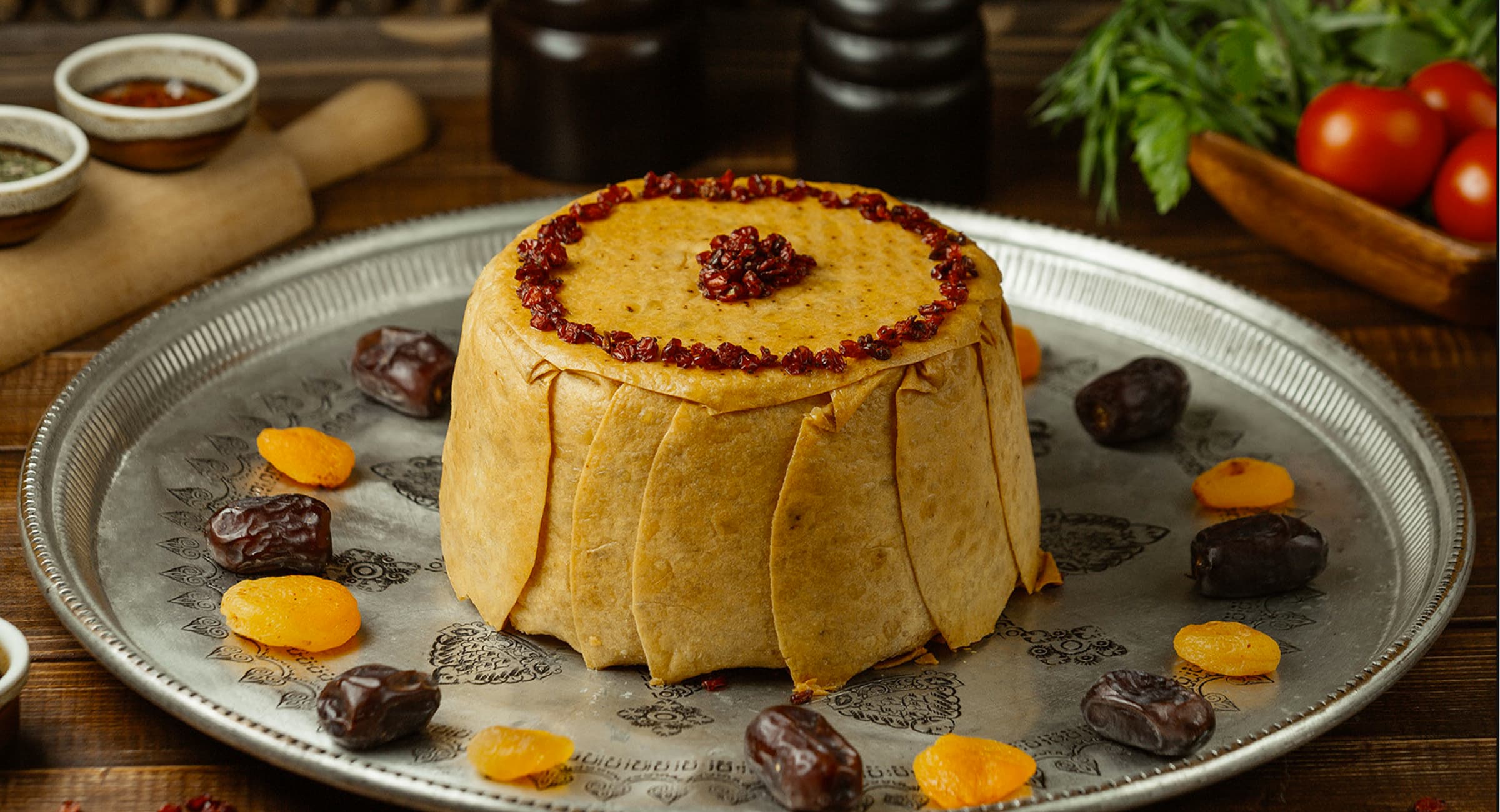
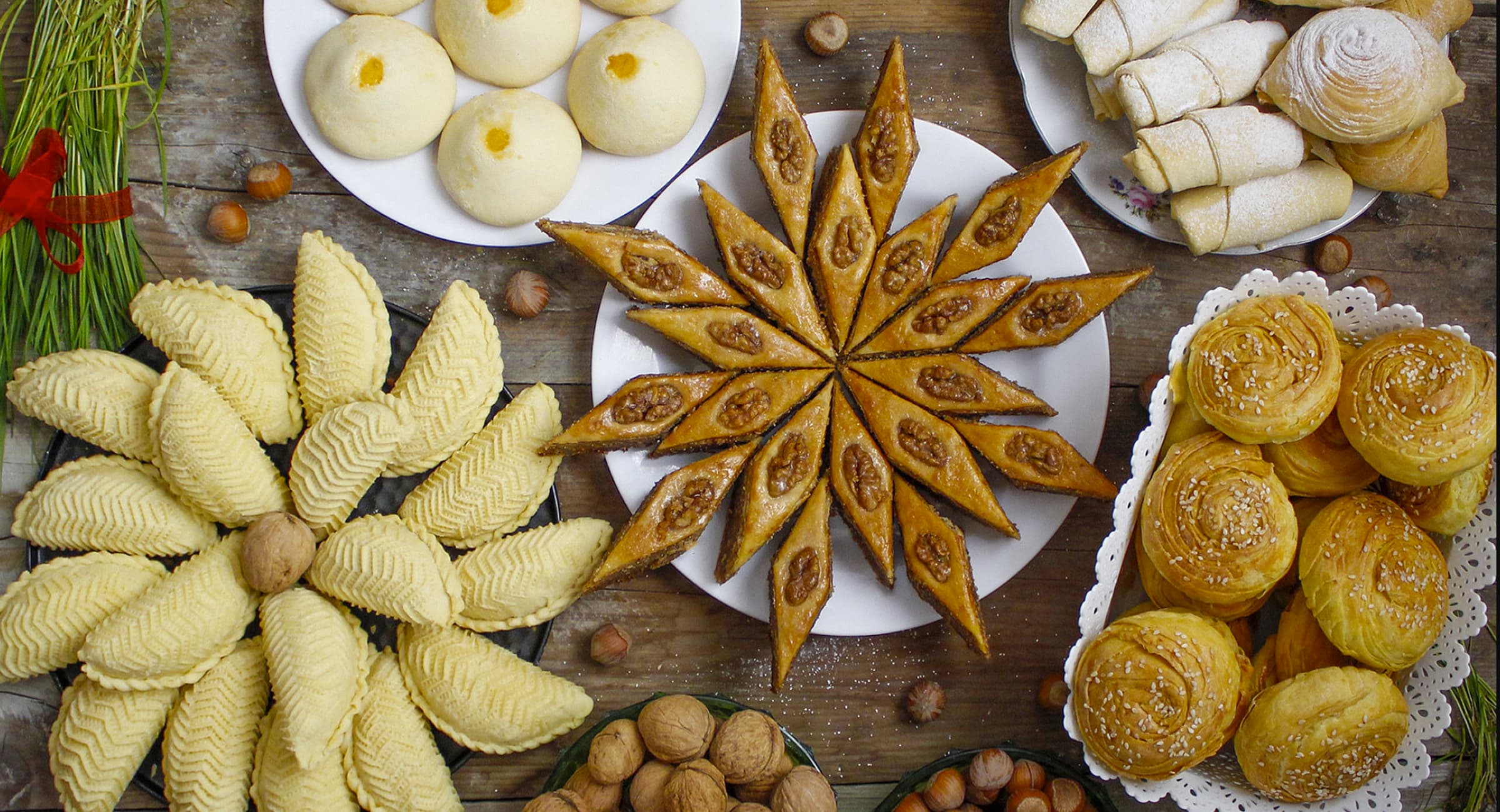
Azerbaijani cuisine is a key cultural asset and a strong experiential component of tourism programs, combining influences from the Silk Road, the Middle East, the Caucasus, and Central Asia.
Signature flavors include saffron-infused plov, charcoal-grilled kebabs, fresh Caspian fish, and desserts based on seasonal fruits, nuts, and honey. Hospitality through food holds a central place in Azerbaijani culture, where guests are traditionally served abundantly and sharing food is seen as a symbol of trust and respect.
The cultural significance of cuisine is internationally recognized, with dolma (stuffed vine leaves) inscribed on the UNESCO Intangible Cultural Heritage List. Regional diversity plays an important role, as each area has its own recipes and cooking techniques, making Azerbaijan particularly attractive for gastronomy-focused tours and cultural itineraries.
Geography
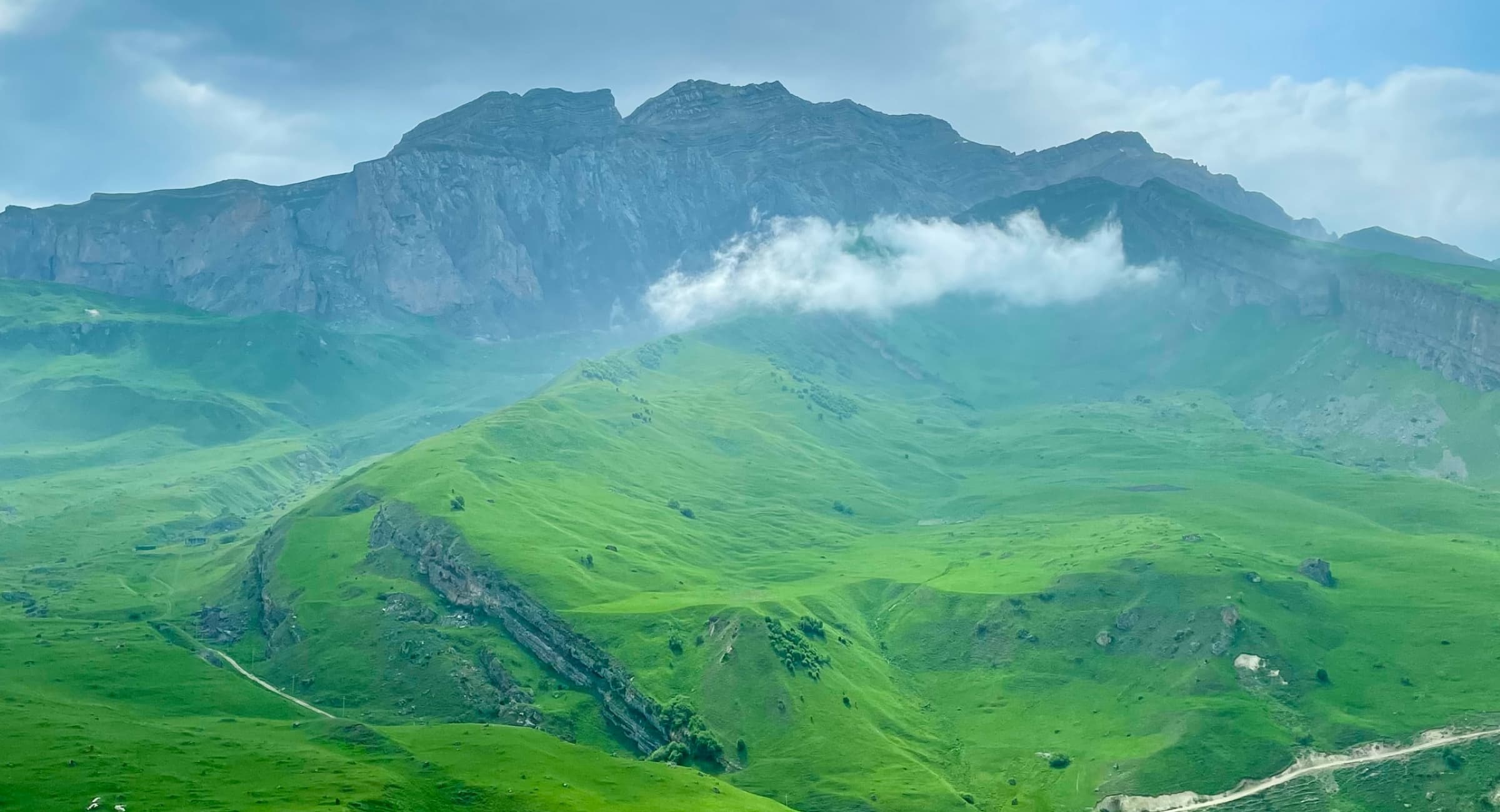
Azerbaijan covers an area of 86,600 km² and is located on the southern slopes of the Greater Caucasus Mountains, with its eastern border running along the Caspian Sea, the world’s largest inland body of water.
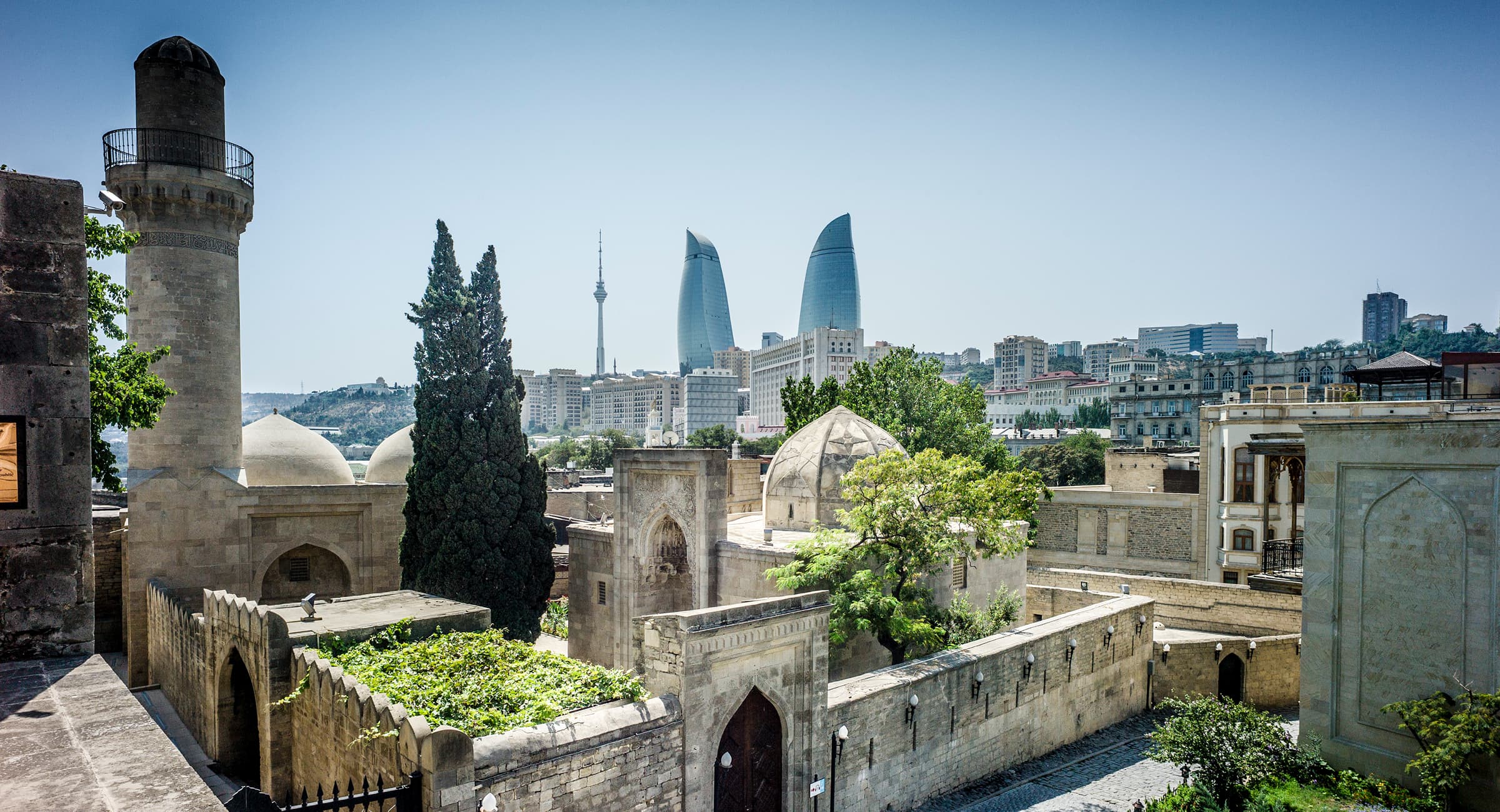
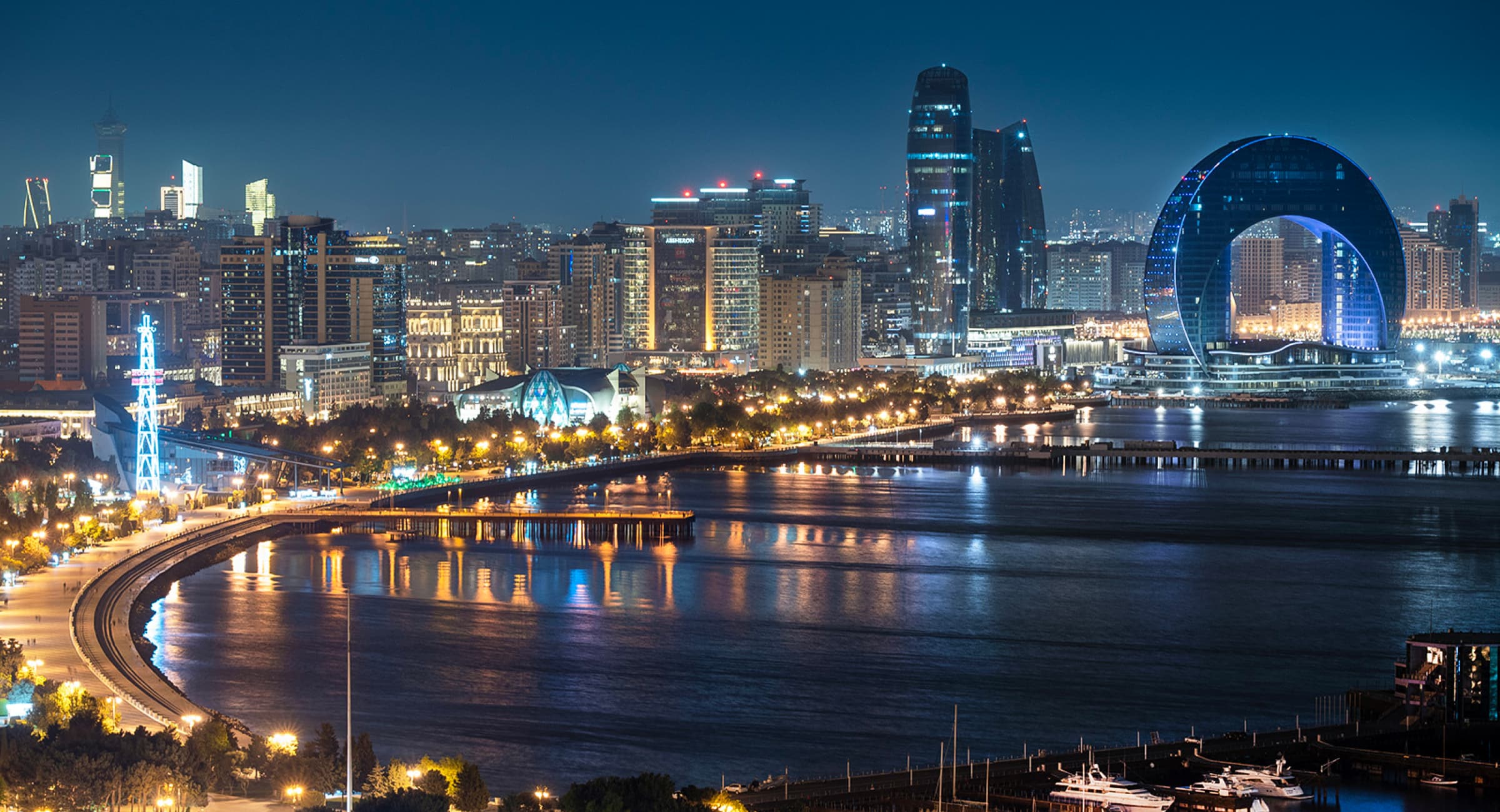
The capital city, Baku, is a modern metropolis blending ancient heritage with contemporary architecture, while Ganja is an important cultural center.
Climate
Azerbaijan’s climate varies between its lowlands, Caspian coast and mountain regions. Summers can be hot in lowland areas, while higher elevations have colder conditions and snow in winter. The best season depends on the route and activities planned.
This climatic diversity supports year-round tourism, including city breaks, cultural tours, nature travel, wellness experiences, and winter activities.
Population & Ethnicity
With a population of approximately 10 million, Azerbaijan is a multi-ethnic and multicultural society. The population is predominantly Azerbaijani, alongside minorities such as Lezgis, Talish, Russians, and others, contributing to the country’s rich cultural fabric and tradition of tolerance.
Language
The official language is Azerbaijani, a Turkic language written in the Latin alphabet. Russian remains widely spoken due to historical factors, while English proficiency continues to grow, particularly among younger generations and professionals in tourism and hospitality, supporting international tourism operations and B2B cooperation.
Political Structure
Azerbaijan is a presidential republic governed under a constitution adopted in 1995, based on the separation of legislative, executive, and judicial powers.
Legislative authority is exercised by the Milli Majlis (National Assembly), executive power by the President elected for a seven-year term, and judicial power by the Constitutional Court, Supreme Court, and other courts.
The Nakhchivan Autonomous Republic holds a special autonomous status with its own legislative body.
Highlights
Explore the highlightsTop 10 Reasons to Explore Azerbaijan
At the crossroads of Europe and Asia, Azerbaijan brings together historic cities, mountain landscapes, regional cuisine and local hospitality. These highlights can be combined into cultural, nature and incentive programmes.
Ancient Civilizations
Azerbaijan is a land of ancient civilizations, with evidence of human presence dating back hundreds of thousands of years. Archaeological discoveries in the Azykh Cave confirm early human habitation in the region, underlining Azerbaijan’s importance in the study of prehistoric cultures. Numerous historical and cultural monuments preserved across the country provide valuable insight into the evolution of societies in the Caucasus, making Azerbaijan a compelling destination for history-driven and educational travel.
UNESCO Heritage
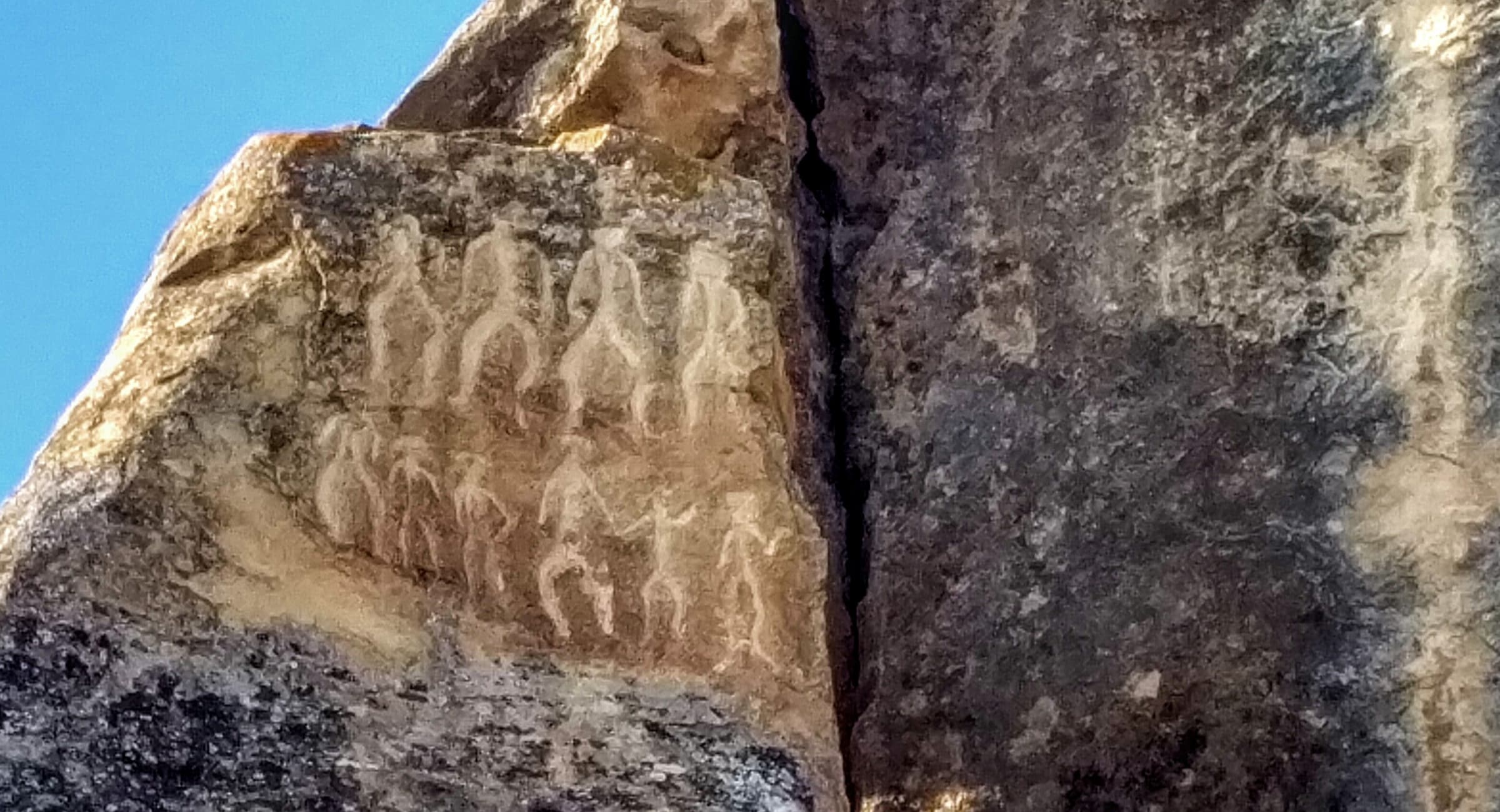
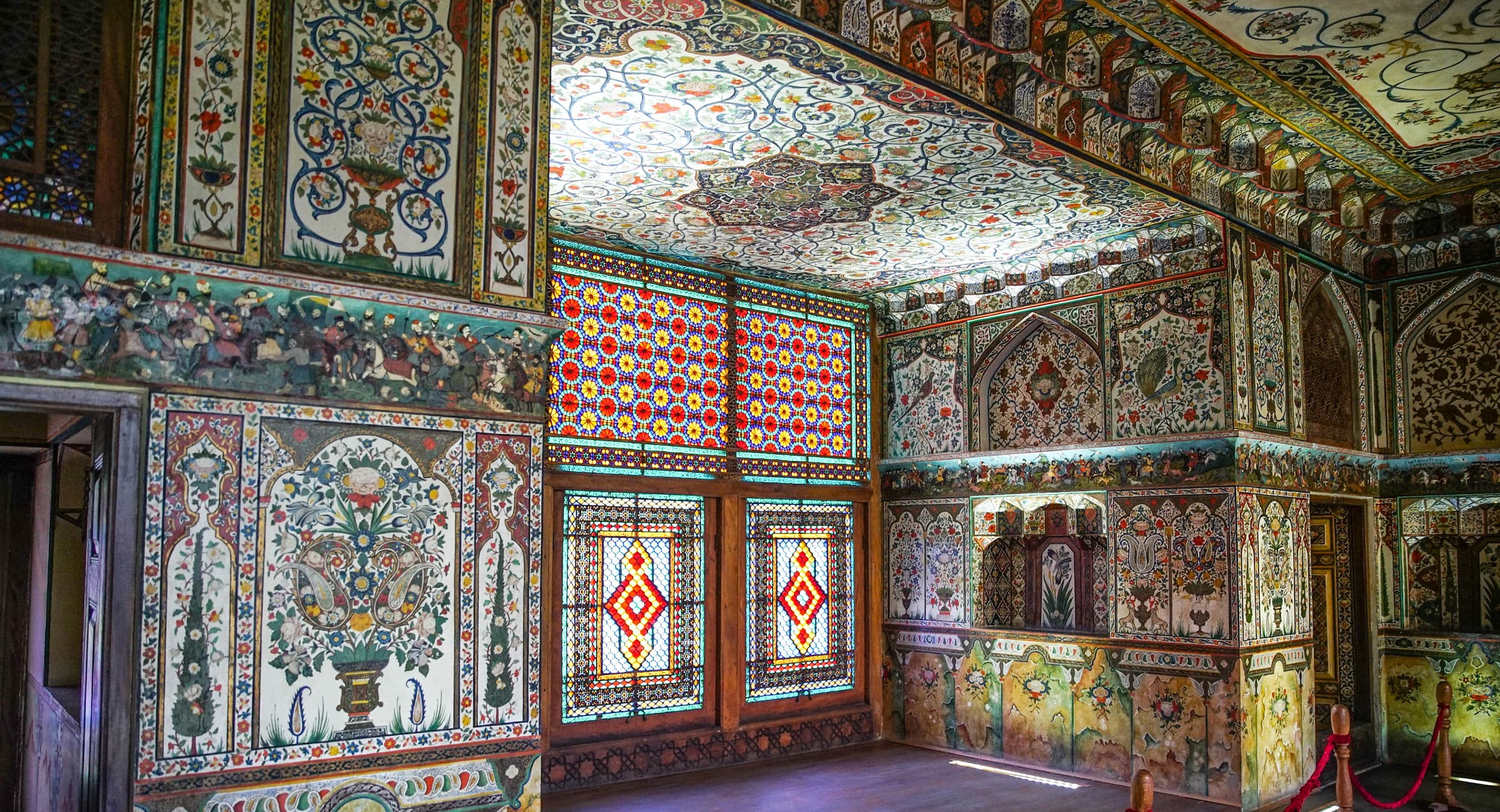
Azerbaijan offers an exceptional concentration of UNESCO-recognized heritage, reflecting its deep historical roots and cultural diversity. The country has five properties inscribed on the UNESCO World Heritage List, including four cultural sites and one natural site, as well as twelve properties on the Tentative List. Highlights include the Gobustan Rock Art Cultural Landscape, Icherisheher (Inner City of Baku), the Historic Centre of Sheki with the Khan’s Palace, and the Hirkan Forests—together positioning Azerbaijan as a high-value destination for cultural, educational, and premium heritage tourism.
Natural Diversity
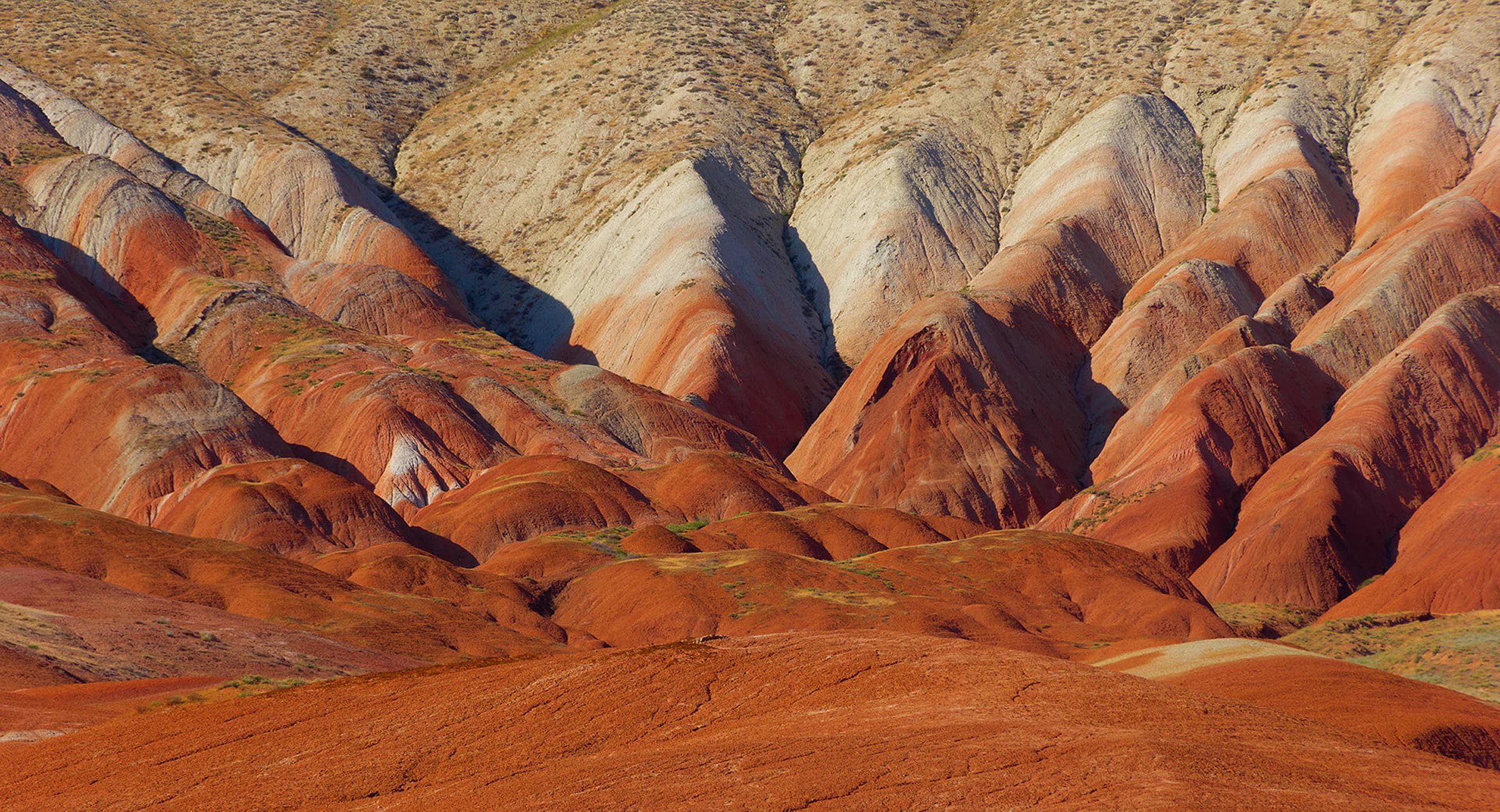
The Caucasus Mountains, fertile lowlands, subtropical landscapes and Caspian coastline offer varied settings for nature and cultural travel. Routes and activities can be adapted to the season.
Distinctive Cuisine
Azerbaijani cuisine blends Eastern traditions with local ingredients and techniques, featuring a wide range of meat, fish, and vegetarian dishes flavored with fresh herbs and spices, especially saffron. Regional specialties such as piti, lewengi, and qutabs, combined with UNESCO recognition of dolma, make Azerbaijan ideal for gastronomy-focused tours and authentic cultural experiences.
Religious Tolerance
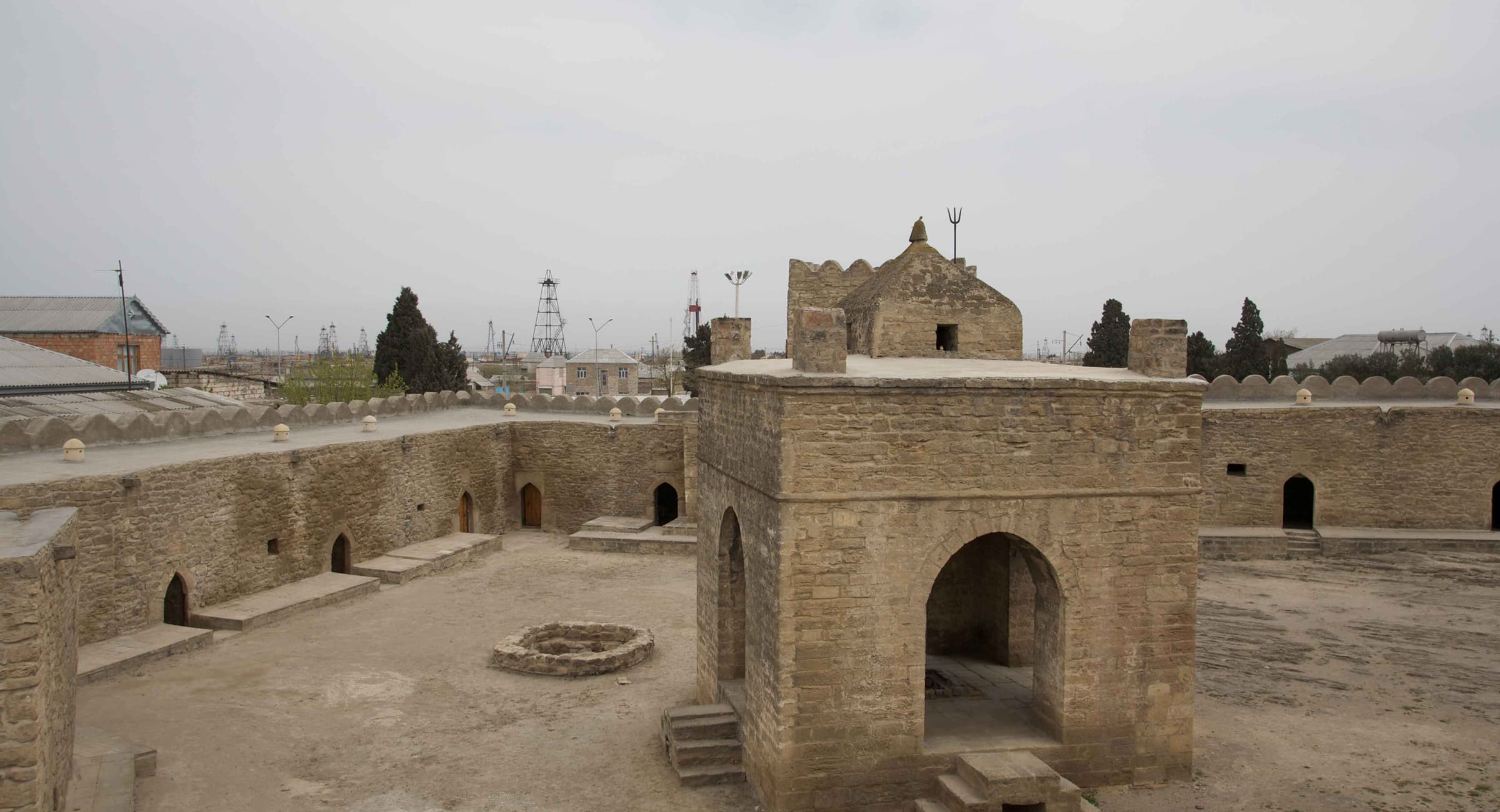
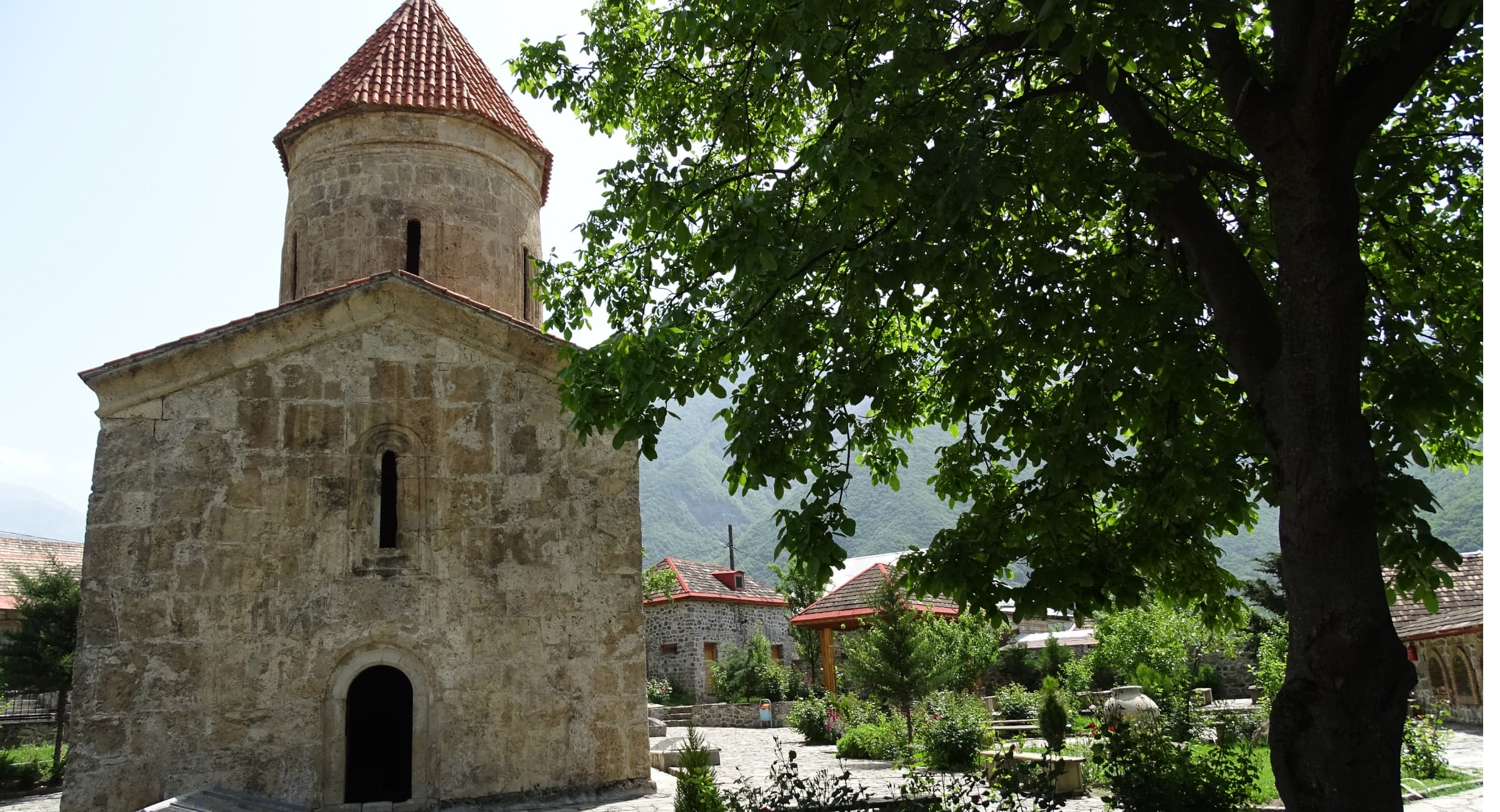
For centuries, Azerbaijan has been a place of coexistence for multiple religions, including paganism, Zoroastrianism, Judaism, Christianity, and Islam. The preservation of monuments from different faiths reflects a long tradition of tolerance. Today, Azerbaijan is a secular state where religious sites are protected and respected, contributing to the country’s varied cultural heritage.
Local Coordination
A local team can coordinate accommodation, transport and guiding, and help partners adapt a programme to current conditions and the needs of their group.
Wellness Traditions
Naftalan is known for its resorts and the local tradition of oil baths. Relaxation-focused stays can be discussed with our team and the selected property according to each traveller’s needs.
Natural Phenomena
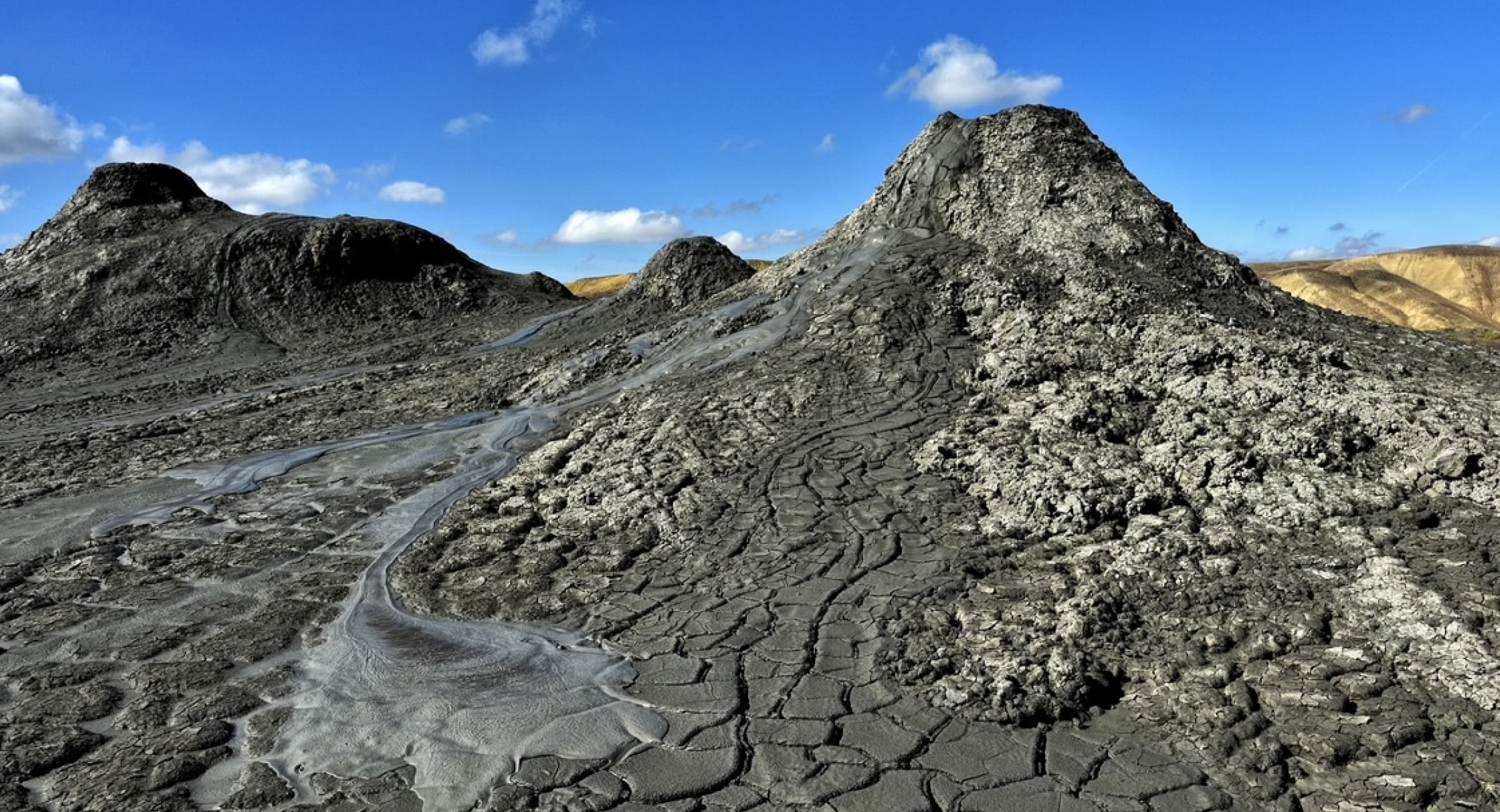
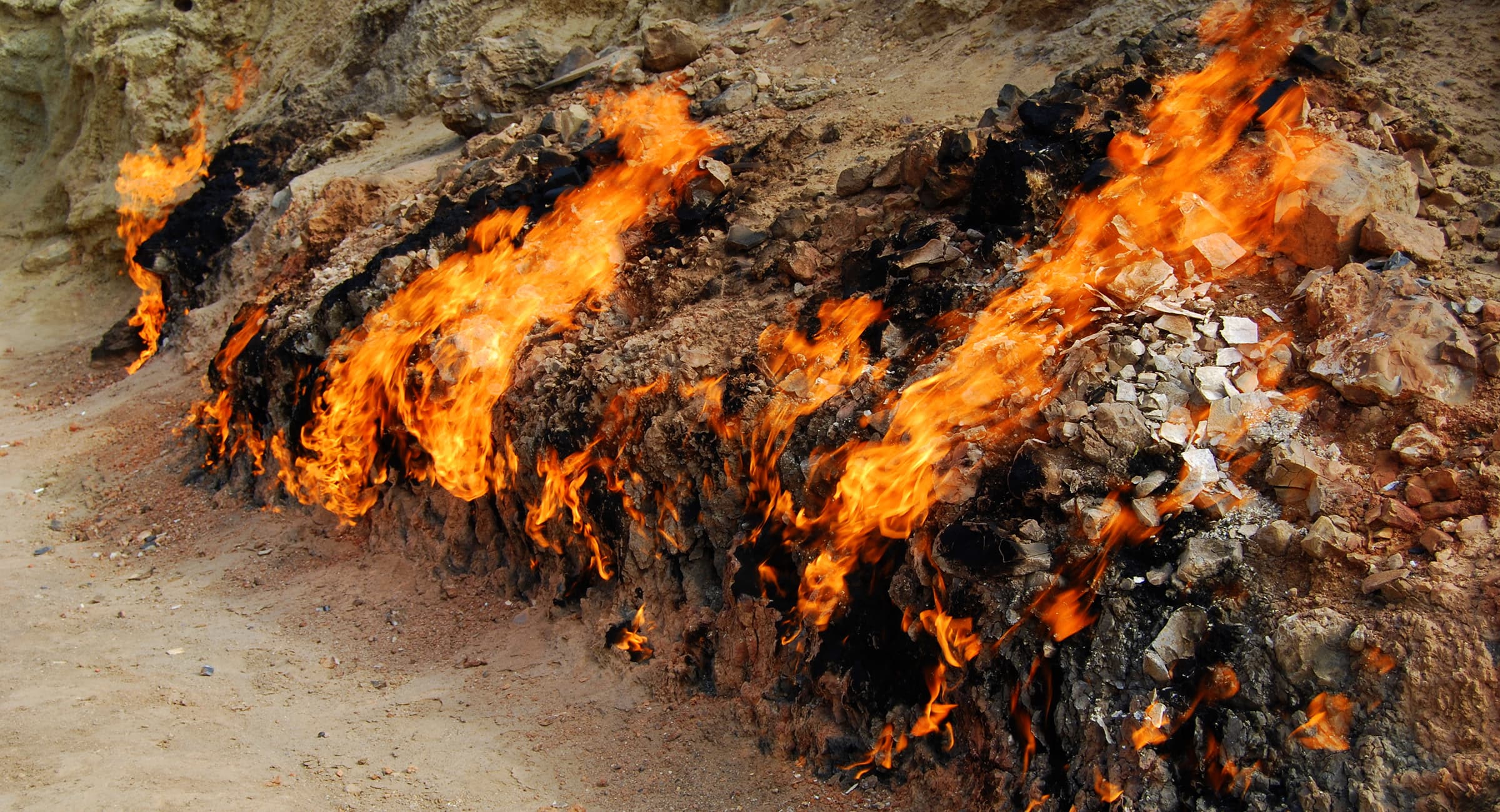
Azerbaijan’s mud volcanoes and the natural flames of Yanar Dag are distinctive stops on itineraries exploring the country’s landscapes and its association with fire.
Modern Architecture
Contemporary Baku features landmark projects such as the Flame Towers, the Heydar Aliyev Center (exterior visit only) by Zaha Hadid, and the Baku Crystal Hall. These venues enhance the city’s global image and support large-scale international events and MICE activities.
Tailor-made Programmes
Combine heritage, cities and nature in a programme shaped around your clients. Our team can adapt the route, pace and services for cultural groups, incentives and individual travellers.
Useful information before travelling to Azerbaijan
Keep our practical travel guide with you: arrival, local essentials and useful contacts.
